I despise a narrator with a smartphone in their hand
What fiction tells us about the human experience modulated by smartphones.
The novel – especially when written in first person – allows insight into someone else’s interiority in a way that other media cannot. Sometimes, readers may have more knowledge of what a character thinks and feels about what is happening than the character themselves. Narration can imbue micro-expressions or reflexive actions with meaning the person performing them is not conscious of. It is almost impossible to write a modern novel without tackling the question of the smartphone. If you are in internet connected times, do you provide a plausible reason for their absence? If you choose to include them, will you do so in a realistic way, or an ascetic one? What do these choices mean for the narrative possibilities and the emotional depth of your characters?
Most of us, if asked what we were thinking about at any moment, would not want to admit to noticing an urge to check our phone. If you check the stats on your iPhone for how many times you do this in a day (Settings > Screen Time > See All App & Website Activity – scroll to ‘Pickups’), it is undeniably one of the most common modern preoccupations. In fiction that strives to faithfully represent some corner of the human experience, how often should authors mention this mundane desire? How often will readers tolerate being reminded of it without putting the book to check their own?
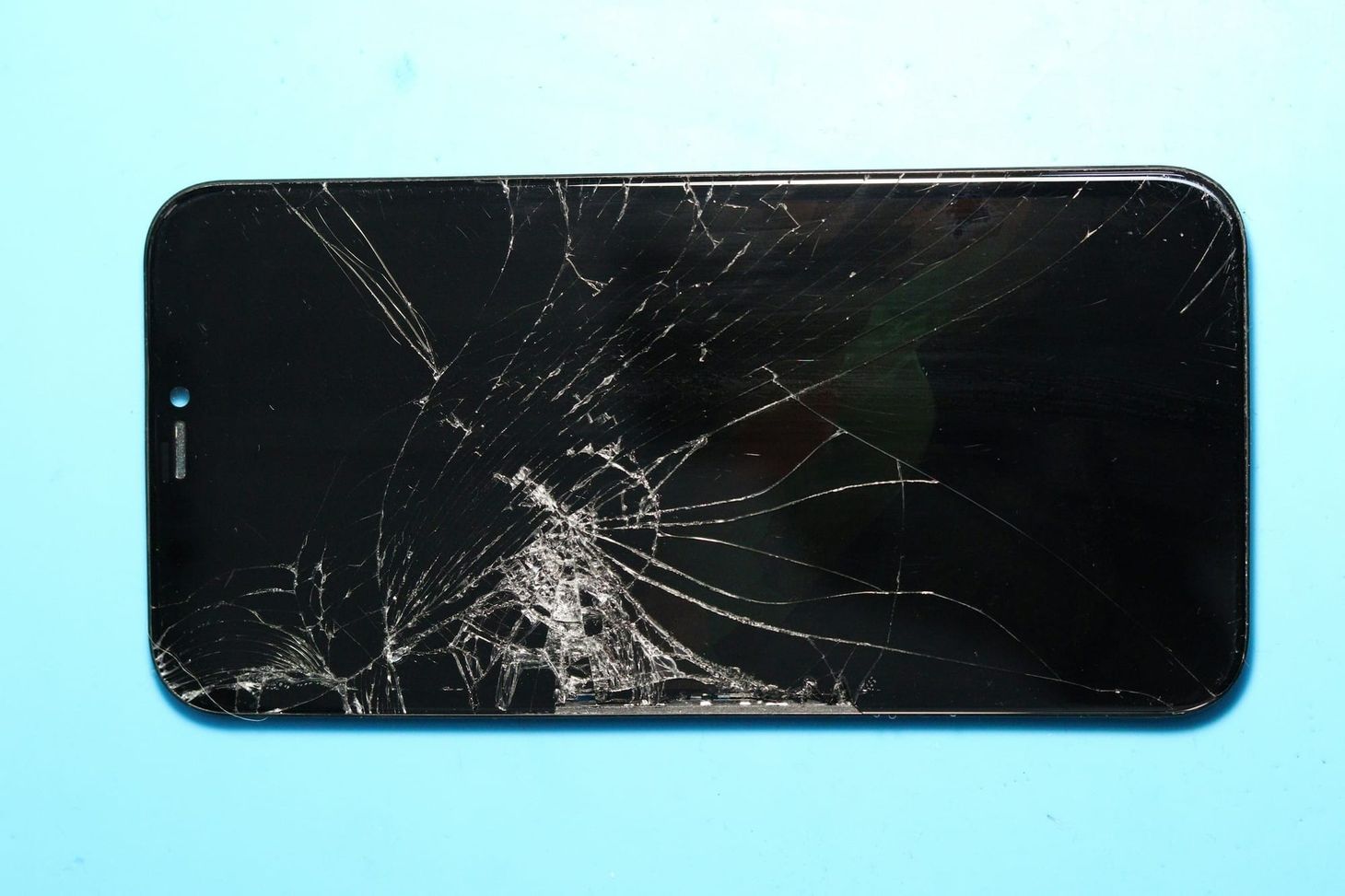
In Transcription by Ben Lerner, after dropping his iPhone in the sink, the protagonist loses the ability to use it for essential tasks like transcribing an interview, contacting his family, and finding directions. Still, he carries “the corpse of [his] phone” around with him. Partly in hopes it will spontaneously reanimate itself, mainly because it would be alien not to have its small weight in his pocket. This is how intrinsic our phones have become; we feel naked without them. I know this to be true – on two occasions when my phone broke, I felt literally and figuratively lighter as I traversed the world without one (momentarily, as I waited for a replacement).
“I was experiencing a withdrawal indistinguishable from mild intoxication, the landscape made strange, the stones stonier, by my being suddenly offline….I was having an unusual experience of presence – more aware of silicates glittering in the asphalt, the little plumes of vapour that were my breath, the articulation of branches and their shadows on the sidewalk …but I was also walking into my past, because this was a landscape so dense with formative memories and events, and because only in the past would I be deviceless.” – Transcription, Ben Lerner.
Without a working phone the protagonists experience of moving through the world is so much more detailed it is almost surreal. It does not last for long. As soon as he realises all he has lost the ability to do he starts “glitching”, “craving [his] cellular phone on a cellular level”. What feels revelatory about Transcription is the unflinching seriousness Lerner applies to this fracturing of attention and its diagnosable cause. It is pathetic to be so discombobulated by the absence of a phone, and that doesn’t make it any less true.