The algorithm wants me to tell you my life sucks (+ ticket links)
This week’s newsletter is a paid subscriber’s exclusive trend report on failure and hope. For all subscribers, I’m front-loading the events information: 1. Journal Club: Craft Week edition, as part of Sydney Craft Week I’m running a special crafty edition of Journal Club at Rikota

Notes from the other side of the literacy crisis
One of the internet’s most powerful distortions are the bubbles it allows us to exist within that distort our understanding of the world that lies beyond them. Through a mixture of algorithmic feeds and the (increasingly rare) content we see from loved ones, it is easy to believe that


How to Journal (and ticket links)
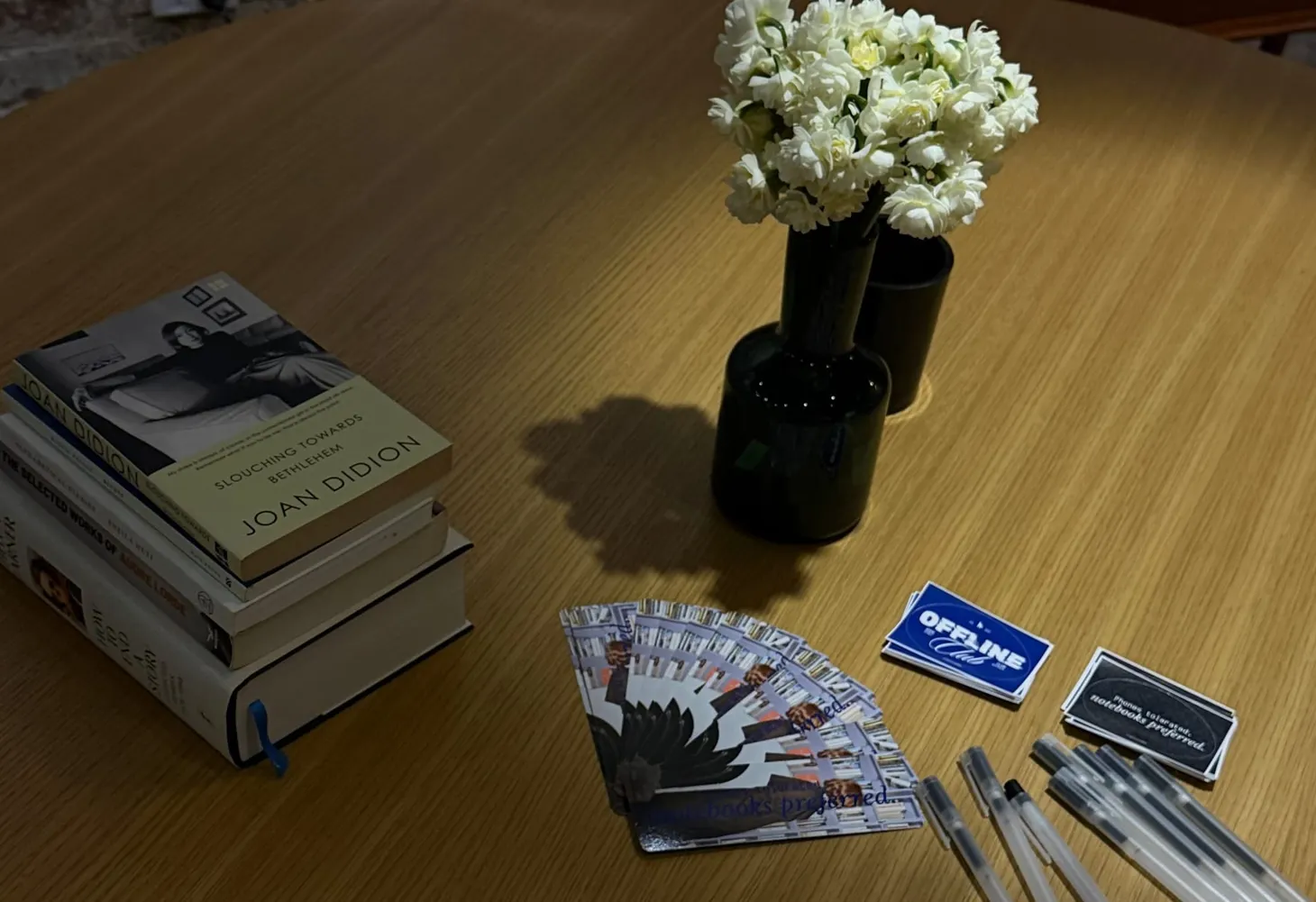
Ticket links for September’s Offline Book Club Events: - Silent Reading: Wednesday 9 September - Silent Reading: Tuesday 15 September - Offline Book Club: Fruit Fly (again) Tuesday 22 September - Silent Reading: Wednesday 30 September FYI: If you have tickets for either of the Good Intentions sessions and can no longer make
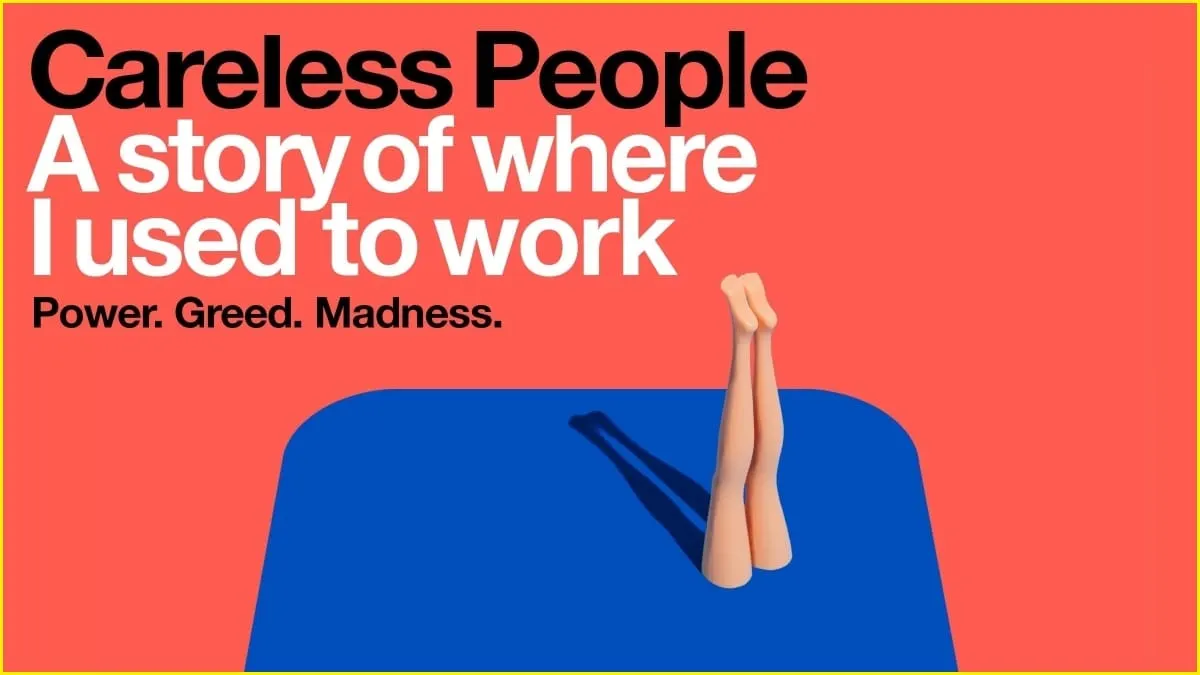
Eternal Surprise of the Careless Mind
Memory is a funny, fickle thing. In tech right now, it is especially so. Not only because the cost of the physical hardware to store it has skyrocketed in recent years due to AI driven demand. The more abstract kind has also been put to the test in the trial
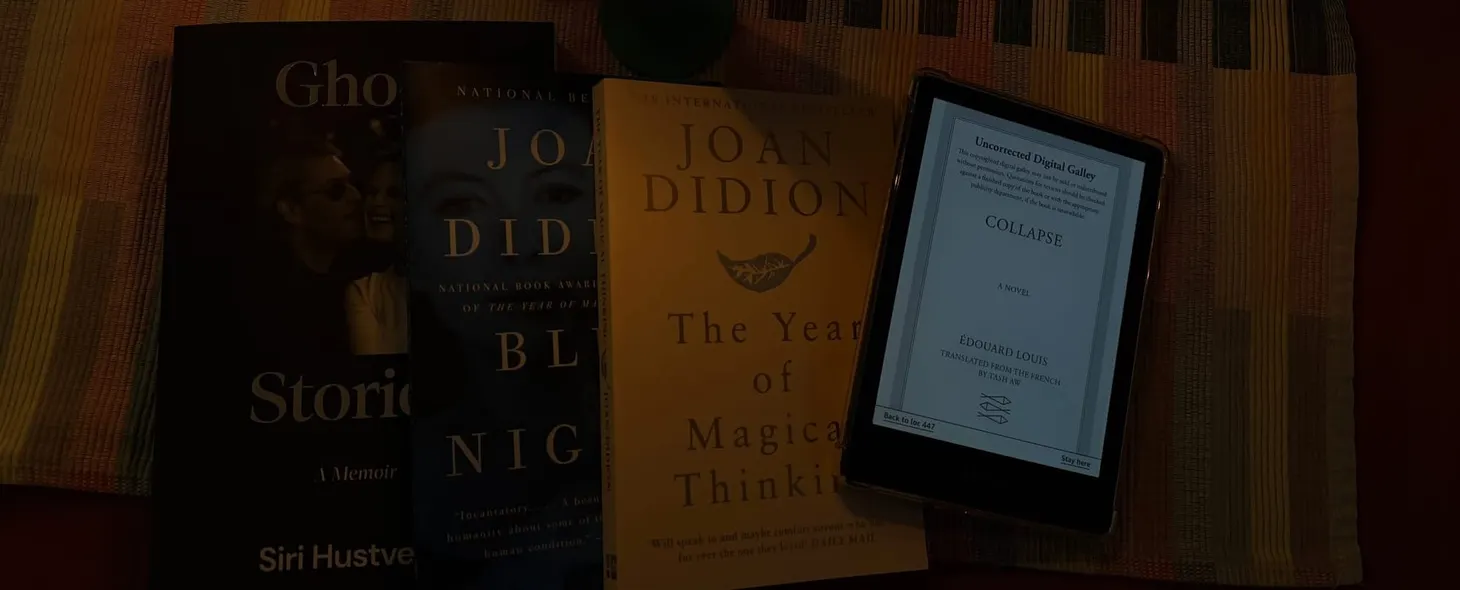
Ghost Stories: bibliotherapy, grief, and learning to survive
Death is the last great literary taboo. On a sunny day or a fire-lit night, a book that reminds you that you, or the ones you love, could vanish at any moment is not the natural choice. Only once the loss occurs do people grasp for someone else’s
The old and new of literary plagiarism
T.S. Eliot is misquoted as saying “good writers borrow, great writers steal”. What he actually wrote was: “immature poets imitate; mature poets steal; bad poets deface what they take, and good poets make it into something better, or at least something different.” The thin line between plagiarism and ‘drawing
