Notes from the other side of the literacy crisis
One of the internet’s most powerful distortions are the bubbles it allows us to exist within that distort our understanding of the world that lies beyond them. Through a mixture of algorithmic feeds and the (increasingly rare) content we see from loved ones, it is easy to believe that we are seeing a representative sample of what is going on. In the best ways this enables those with similar interests to find one another and to cultivate online spaces that feel rewarding. In the worst, it distracts us from the bigger problems, engrains in- and out- group tensions, and widens the chasms between those with access to accurate information and those without it.
A large portion of my life revolves around books and talking about them. As I write this, I am surrounded by other readers and writers at the Randwick Readers Town Hall Takeover. Earlier, I listened to three authors (moderated by a fourth) discuss the books that shaped them as readers and writers throughout their lives.* If your knowledge of reading habits was drawn solely from this room, or the specific results of social media algorithms tailored to my tastes, you would think the written word is more popular than ever.
The figures disagree with this romantic notion. Outside of my bubble, in the rest of the country and the broader world, people are reading less than ever and they’re comprehending even less of it. The literacy and numeracy of Australian’s children continue to decline. Recent NAPLAN results show one in three students does not meet the benchmarks for reading, writing, and numeracy. One in ten require additional support to not fall further behind. This tracks with (granted, outdated) data about the functional literacy of Australian adults from 2013, which showed 44% of Australians have a level below what is necessary for proficiency in daily life.
Reporting on the literacy crisis, with its myriad causes and far-reaching consequences, is important. Still, I fear the simplification down to ‘most people don’t read / most people are illiterate’ is doing immense damage by removing any sense of agency from individuals over their reading habits. According to the Understanding Australian Readers Survey only 22.4% of the Australian adult population read daily and are satisfied with that, with a further 30.6% reading ‘regularly’ but less than they would like to. Overall, about half the population wishes they read more than they currently do. Following the survey, further research was done into the effectiveness of different methods to increase reading. Some of the most effective methods focused on empowering people to find books to read and the time in their lives to read them. This is unsurprising, when you consider how much of the media we consume nowadays is outside of our own control. Social media apps are designed to keep you scrolling and do so by showing you less of what you originally signed up to see mixed with intermittent reinforcement. It is easy to be sucked into an hour-long doomscroll when you only intended to waste five minutes, significantly less so to “accidentally” acquire, read, and understand a book.
The best feedback I receive is when someone tells me that I inspired them to pick up and finish a book for the first time in years. For many, after school or one terrible book or some other travesty they put books down and simply forgot it was an option to pick one up again. Only after seeing a lot of my online content, or becoming friends with me personally, were they prompted to re-engage with books. With a never-ending carousel of media options served directly to you, it is understandable that unless someone makes reading a habit, or sees someone else doing so, they stop thinking about it entirely. In a similar way, because reading is so engrained in my life, it is unthinkable that I would simply stop. Doing so would interrupt the conversations I have, the events I run, and the people I socialise with.
When people tell me they have recently started reading again they often do so apologetically, as if I will think less of them for it. Rest assured, that is never the case. The only shame in this conversation is that the knowledge and access that enable lifelong engaged readers is not equally distributed. I have the privilege of being a step closer to the publishing industry than the average person (albeit, still very much on the outside of it!). My access facilitates knowledge, and occasionally copies, of exciting forthcoming titles; though this is a firehouse of information and I retain a small portion of it. Beyond that, it has also led to my awareness of many wonderful events that are open to the public but most people never hear about. For my part, I’m doing my best to break that barrier and connect books and literary events with an audience that will enjoy them. Still, I am only one person with a minor platform. It is impossible for me to ensure everyone that wants to attend events like the one I’m currently at knows about it, and paradoxically the best method I have for trying is the social media app you should be spending less time on.
Structural change is absolutely needed. Individuals cannot cure systemic issues in education, or be charged with overcoming economic and caregiving pressures that make relaxing with a book seem like a distant luxury. We can, however, make an effort to reclaim some of our time and attention from things that do not serve us and funnel them into things that do. Rather than participating in panicked discourse online about how no one is reading, we can commit to ensuring we do. We can speak to the people in our lives about it and encourage them to do the same. We can spend less time railing against what we don't want to see (LLM generated writing, images of food, and Meta-enabled pervert glasses) and more time supporting those making things we do want to see (good books, old-school menus, and genuine photography). We can keep in mind who wins and who loses when we all abandon the things that make life worth living in favour of shouting about the things that don't online.
To that end, below is a list of things I know about books and reading that may help you read more, find better books, or connect with other readers:
- Schedule reading time: I have a daily commitment to read for at least 10 minutes. I typically read much more than that but building in that first 10 mins is the structure that keeps the habit. Try before work, at lunch, or right before bed. At first, you can even set a timer and let yourself off the hook right on the buzzer. There’s no shame in training wheels - like any other practice, it gets easier with time. If you’re keen on a longer session, there’s plenty of tickets left for my event on the 30th of September (including four free ones!).
- Get off your phone: for those who wish they read more, I’m sure their screentime is at least a contributing factor to the gap between their reading goals and the time they actually spend. Remove the temptation by putting your phone in another room or locking yourself out of social media apps at certain times (you can use a Brick or, for a free option, I’ve been using Foqos – an open source app that you can set up with your own NFC tags for a Brick like experience minus the cost).
- Use the library: this sounds obvious but is still dramatically underutilised. I use the library at least once a month, sometimes purely remotely for audio or eBooks through BorrowBox and Libby. Librarians also do great curation, preparing lists of suggested titles for different interests or relevant themes throughout the year. I've found a lot of great books through the City of Sydney Library's Australian Fiction list. FYI - any NSW resident can become a CoS Library member! It's a great supplement to smaller local libraries or a substitute if yours still charges fees for reserves or late returns.
- Bookselling is an art, not just a service: your local bookstore is full of people who have read more than you across a wider range of genres than most mere mortals will ever. Don’t be shy to ask for a recommendation, or to peruse their curated selections. Just don’t use all of their curation to buy the book later on Amazon, that’s the equivalent of feeding your favourite artist’s work into an LLM and asking it to make you a free copy of it.
- Join or start a book club: this isn’t a sales pitch, I’m not even saying you should join mine unless you’re interested in the books I choose. Try to find one in your local area that reads your preferred genre through a local bookstore, library, or online social group. If you can’t find one, start one! Some libraries have systems for book clubs including private room reservation and securing copies of the book for you. Otherwise, grab a few friends and do it at home, your local pub or café, or even the park (like the first one I ever attended).
- Re-reading is totally fine: some people assume that reading a book again is “not reading”. This isn’t true. Every experience of a book will be different, and when I’m stuck on what to choose, I often re-read a past favourite to see if it holds up or if my opinion has changed as I’ve grown.
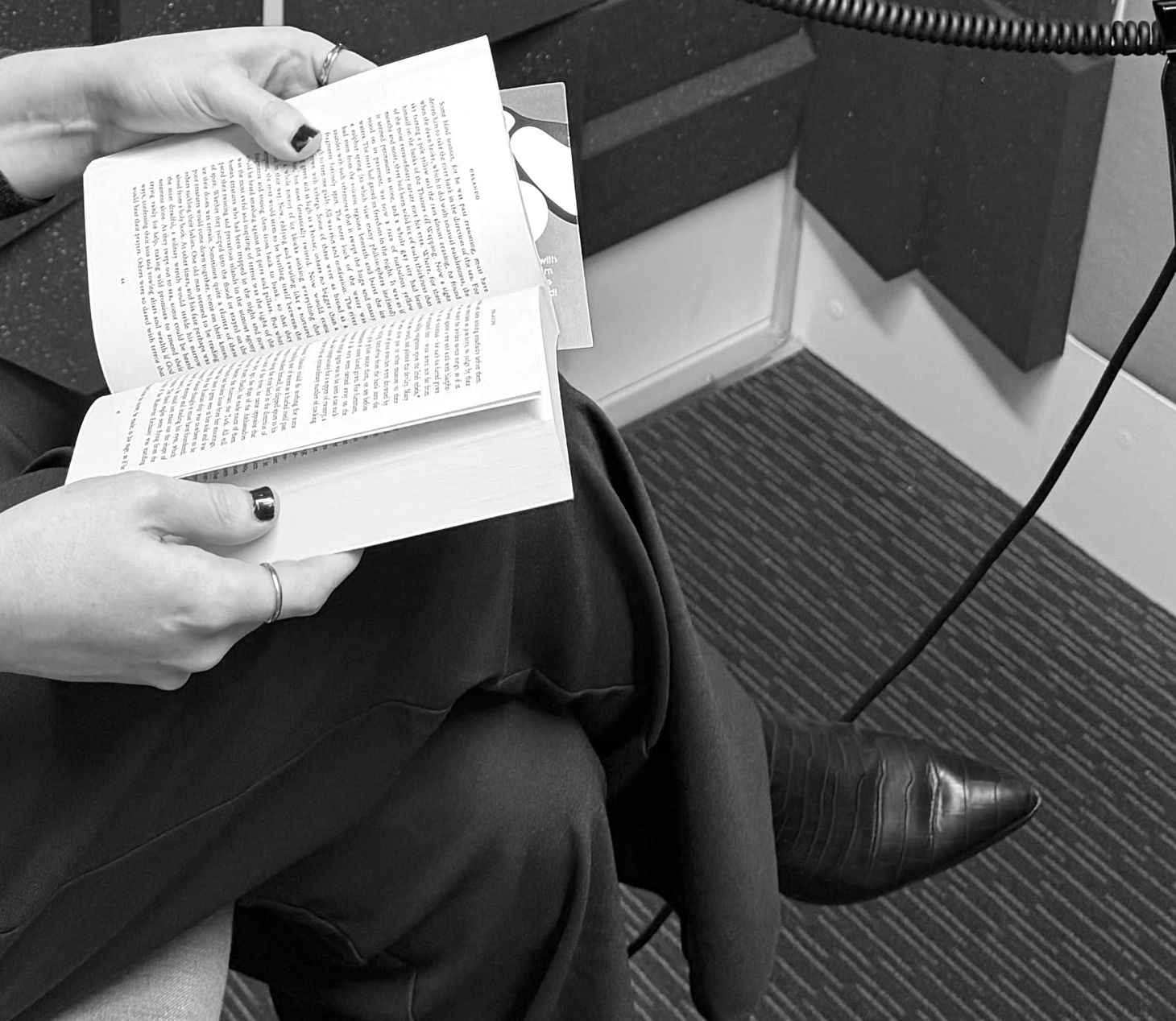
- Be seen reading: When it comes to young readers, it is important that reading is modelled to them outside of the time spent reading to them. I think this is just as important for adults – the more normalised it becomes to see people staring into a book rather than their phone, the less likely it is that anyone doing so will be accused of being ‘performative’.
- Go to literary events: I think people assume these are very expensive or very elitist. In my experience, most are neither. It’s a great way to meet new people including authors and to get recommendations from people who really know their stuff. To find events try:
- Your local bookstore, library, or writer’s festival will be able to connect you with literary events in your area
- There’s a suite of other events at Randwick Town Hall as part of their Town Hall Takeover series, including another Reading one in November, and it’s great to see public space being utilised like this.
- Sydney Writer’s Festival now has year-round events, including some free ones
- If you’re in Melbourne, the Wheeler Centre’s programming is fantastic
* If you’re interested, the books the authors spoke about were:
- Dinuka McKenzie, author of She Lied First, recommended Home Fire by Kamila Shamsie (winner of the Women's Prize for Fiction 2018)
- James McKenzie Watson, winner of the 2021 Penguin Literary Prize for his novel Denizen, recommended The Sense of an Ending by Julian Barnes (shortlisted for the Booker Prize 2011, and valued by James for its unique use of structure to tell part of the story)
- Suzanne Leal, author of The Watchful Wife, recommended Sky Burial by Xinran (listed as one of the LA Times best non-fiction books of 2005).

make obsolete after reading Newsletter
Join the newsletter to receive the latest updates in your inbox.