The lost privilege of an ephemeral childhood
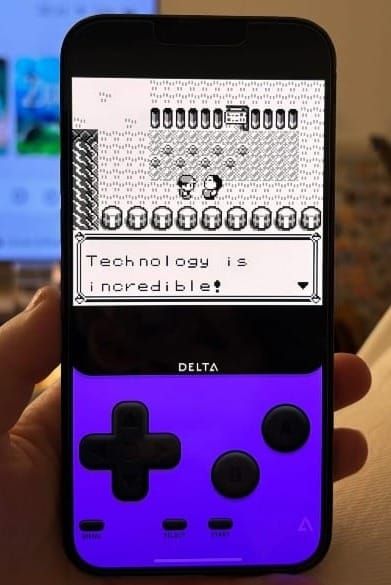
The privilege of an offline (or mostly offline) childhood is well acknowledged, including on this website. Less so is what we lost when the current social media companies cemented their place in history and the first platform you started using at 12 survived long enough for you to still be on it when starting your career in your 20s.
My first social media site was Bebo. My first social media ‘app’ was MSN. My Bebo page, opened before I finished primary school, was full of glitter animated Bratz dolls and complaints about homework. MSN was where I was unceremoniously dumped at 14. Bebo went bankrupt in 2013, the same year MSN was discontinued (and, graciously given the dumping, MSN was never intended to be a permanent cache of cringey status updates and discoverable chat logs). By the end of my second year at uni all evidence of my first posts was permanently lost. I didn’t recognise the privilege of this at the time, I was too busy trawling the internet to eliminate all record of my more recent time on the microblogging site, Tumblr. That’s a story for another day.
By contrast, Instagram, Facebook, and TikTok all look far too big to fail. They are also (for the most part) public in ways the nascent sites were not. Facebook’s real name policy and the audiovisual formats used by Instagram and TikTok ensure that a teenager’s posts are tied to their real identity in ways that used to be optional (RIP golden era Tumblr). It is easy to forget now but prior to Facebook most public posting was done pseudonymously. To find someone online you needed to be told where to find them; the inscrutability of teenage screen names its own form of opsec.
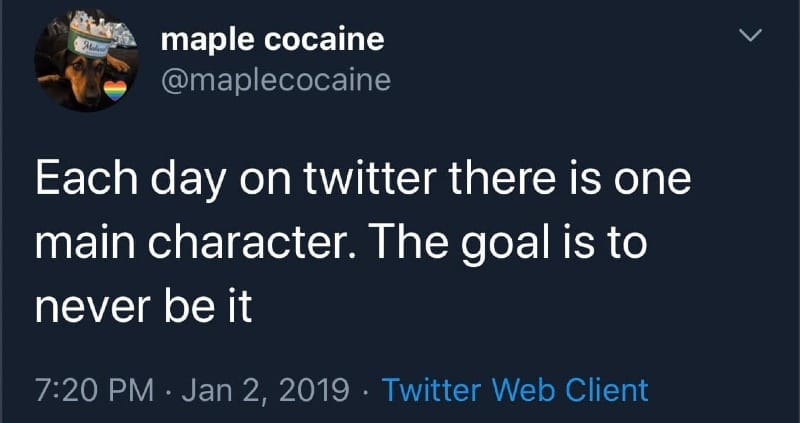
The worst outcome an average teen could expect posting to social media in the mid 2000s was a very suburban version of going viral – your profile or posts were screenshot, physically printed, and shared with the parents and teachers at school. With a few exceptions, most people only had to fear becoming notorious in their school year or, at worst, their local communities. Now, kids the world over risk any of their posts making them the Main Character of the Internet not just on the day they were posted but for the rest of their lives. Every user slowly building a glass closet full of skeletons that may be thrust into the spotlight alongside them if they ever become notable enough to attract one.
The likelihood that you would be haunted by something you posted in high school also used to be limited by the physical and financial limits of what people could store. Archives are now kept not only by non-profits like the Internet Archive and well-intentioned researchers, but average citizens keeping thousands of screenshots locked, loaded, and searchable by OCR. With cheap cloud computing came an almost endless ability to stockpile content; with the highly lucrative genre of ‘tea’ content came the motivation.
In recent weeks, we’ve seen coordinated efforts by conservatives to report the authors of posts they found offensive regarding Charlie Kirk’s murder to their employers and colleges. This followed the worrying trend set by anti-Palestine censorship efforts including using AI to scan social media for pro-Palestine posts by students and expel them from their colleges. More than the risk of an algorithmic recommendation feed sharing your posts beyond your intended audience, there is now a risk that strangers are proactively searching for content they find offensive with the express goal of ruining your education or career. This has a chilling effect on free speech to the detriment of discourse on a range of issues. To borrow an analogy from Enshittification by Cory Doctorow, the platforms we were drawn into as walled gardens are now under constant internal and external surveillance that make the very thing we joined them to do a bad idea for most young people.
I don’t believe that anyone gets a free pass on consequences for their posts when they're intentionally harmful or hateful. However, I am imploring anyone engaging with content made by or featuring young people online to think of how you would have fared if the evidence of your youth was recorded in high definition, shared with the world, and stored permanently. It is easy in hindsight to say you never would have behaved in the way kids do now. The truth is you probably did; you were just lucky enough to exist in a time with built in training wheels for posting in the form of platform collapse and a less carceral attitude towards online mistakes.
Further reading:
- Book: So You’ve Been Publicly Shamed by Jon Ronson. I read this in 2014, and it instantly and permanently changed the way I use the internet.
- Podcast: Sixteenth Minute of Fame by Jamie Loftus is a podcast about the main characters of the internet, basically the 2025 version of the Jon Ronson book but more silly (Boston Cop Slide and 30-50 Feral Hogs are my favourite episodes)
- News: Cam Wilson’s reporting on the teen social media ban, a blunt instrument designed to address this and seemingly every other online harm, is the best going around
- Book: I'm currently reading One Story by Pip Finkemeyer because I saw the blurb on the Ultimo Press website, identified myself as their ideal target audience, and asked them for a copy. I'm 8 chapters in and obsessed with it. It's basically the fictional founder version of Uncanny Valley but much funnier. It comes out in October and you can pre-order a copy here (gifted copy, not sponsored)
Two asks for you:
- I have recently moved away from Spotify for these reasons. I’m using TIDAL for music but still looking for the best way to consume the many podcasts I listen to. If you have a preferred podcast client, please let me know!
- There was a reader survey in last week’s letter that didn’t show up in the email (I am a luddite, after all) if you have a few mins, I’d appreciate you sharing your thoughts on the newsletter

make obsolete after reading Newsletter
Join the newsletter to receive the latest updates in your inbox.